
Design Fundamentals in 2026
Introduction to design:
Design Fundamentals in 2026 blog states In this world, design is everywhere. From the clothes we wear to the websites we browse, any product, any system, and any experience involves design. But what makes a design good or bad or effective? The answer depends on understanding the core principles and elements of design. This blog, Design Fundamentals in 2026, explores the concept of design, its building blocks, and guiding rules to help you create visually appealing and functional designs.
What is design?
Design is the process by which messages and images are used to convey information to a targeted audience. This blog, Design Fundamentals, in 2026, mainly focused on graphic design for designers.
Design is the planned creation of a concept or idea; it is used to build, develop, or improve a product, system, experience, or environment. It involves a creative process to solve problems and needs and enhance the human experience
| “Design is the process of creating and communicating message ideas, developing concepts, and finding solutions to problems through various forms of visual and sensory expressions.” |

“Design…Conception and Planning of Artificial.”

|
Introduction
Design has been an extremely important part of the world since the beginning of time. From nature’s perfect patterns to human-made structures, design influences every aspect of life. This blog, Design Fundamentals in 2026, explores the history of design, tracing its origins from nature to the digital era.
Design in Nature: The Earliest Forms (Before 10,000 BCE)
Before humans started designing, nature had already set an example. The Fibonacci sequence in sunflower repeated designs, shapes, or arrangements; the similar parts that are arranged in a way that creates a sense of balance of snowflakes; and the structural efficiency of honeycombs are all forms of natural design. These elements inspired early human creations.
Prehistoric Human Design (10,000 BCE – 3000 BCE)
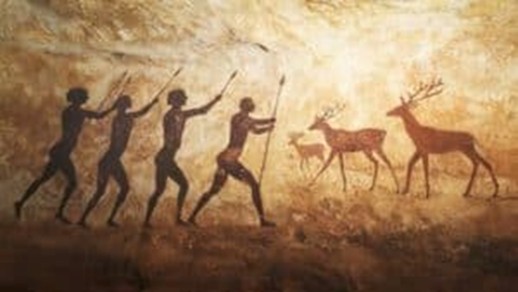
Early humans used design to enhance staying alive and continuing to exist. They created tools, cave paintings, and shelters using available materials. The designs were simple but functional, marking the first step in human creativity.
Ancient Civilizations and Their Influence (3000 BCE – 500 CE)
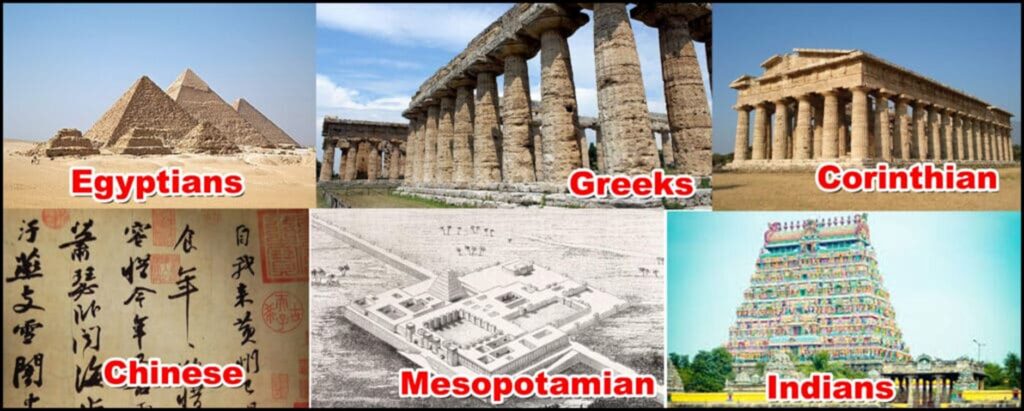
As civilizations grew, so did design. The Egyptians built pyramids with precise geometric calculations. The Greeks introduced architectural styles like Doric, Ionic, and Corinthian columns. The Chinese developed intricate calligraphy and decorative arts, while Indian and Mesopotamian cultures contributed to temple architecture and urban planning.
Medieval and Renaissance Design (500 CE – 1600 CE)
During the Middle Ages, design was heavily influenced by religious beliefs, as seen in Gothic cathedrals and stained glass windows. The Renaissance brought a revival of classical styles, focusing on harmony, proportion, and a particular way of looking at or thinking about something in art and architecture.

The Rise of Modern Design (1900 CE – 2000 CE)
In the 20th century, design became more functional and focused on simplicity, clarity, and reduction of unnecessary elements. Movements like Bauhaus, Art Deco, and Modernism emphasized simplicity, usability, and innovation. Graphic design, product design, and industrial design became distinct fields.
Digital Era and Technological Advancements (2000 CE – Present)
With the rise of computers and the internet, design took a digital turn. Websites, apps, and virtual reality changed the way people experience design. AI-driven tools and 3D printing further revolutionized the industry.
Future of Design
The future of design lies in sustainability, artificial intelligence, and human-centered approaches. Designers are focusing on eco-friendly materials, automation, and user experience to create meaningful and innovative solutions.
Conclusion
Design has evolved from natural patterns to digital innovations. Every era has contributed something unique, shaping the way we interact with the world. As technology continues to advance, the future of design promises even more groundbreaking changes.



Hi
Ktobetbr, looking good for my Brazilian friends! I’ll give it a try and check the language options. Worth a shot. ktobetbr